INDUSTRIES & APPLICATIONS
Agriculture & Aquaculture

Crop Growth & Enhancement
Carbon dioxide (CO₂) is a critical component of photosynthesis, the process by which plants convert light into energy. In natural outdoor conditions, atmospheric CO₂ levels are around 400 ppm (parts per million). However, in a controlled greenhouse environment, these levels can be artificially increased to 700–1,500 ppm by direct injection of CO2 , significantly boosting plant growth, yield, and quality. Learn More
Greenhouse Atmosphere Enrichment
Carbon dioxide (CO₂) is essential for photosynthesis, enabling plants to convert light into energy. Outdoor CO₂ levels are around 400 ppm, but in greenhouses, they can be increased to 700–1,500 ppm through direct injection, enhancing plant growth, yield, and quality. This involves storing pure liquid or compressed CO₂ in tanks and releasing it through a controlled system for precise concentration. For small-scale or temporary use, solid CO₂ (dry ice) can be placed in the greenhouse to sublimate into gas, gradually increasing CO₂ levels. LEARN MORE
Soil Aeration
Industrial gases like oxygen and nitrogen are vital for soil aeration, optimizing root zone conditions and enhancing plant growth. Oxygen injection improves root respiration, prevents anaerobic conditions, and boosts microbial activity, leading to better nutrient absorption and higher yields. Oxygen-enriched irrigation enhances root oxygenation in traditional and hydroponic farming. Nitrogen gas aids in soil inerting, controlling anaerobic bacteria and balancing oxygen levels. These applications improve soil health, increase productivity, and promote sustainable agriculture. Learn More
Aquaculture
The aquaculture industry relies on industrial gases to enhance fish health, optimize water quality, improve operational efficiency, and support sustainable farming practices. These gases play a crucial role in oxygenation, preservation, disease control, and environmental management. Learn MoreAviation & Military

Aviation And Military
Industrial gases are essential in advancing aviation and military operations, supporting everything from aircraft manufacturing and maintenance to enhanced defense capabilities. Oxygen and nitrogen are vital for high-altitude breathing systems and fuel tank inerting, while specialized gases like argon and helium are critical for welding, thermal insulation, and radar technologies. These gases drive efficiency, safety, and innovation in the skies and on the front lines, ensuring mission success and technological superiority. Learn More
Aviation
Industrial gases play a critical role in aviation by enhancing both manufacturing and operational aspects. They are used in the production of high-strength materials through welding and metal processing, where gases like oxygen and argon ensure precise and clean welds. In aircraft maintenance, gases such as nitrogen are used for tire inflation and inerting fuel tanks, while helium supports leak detection and cryogenic cooling systems. Additionally, oxygen is vital for life support in high-altitude flight and emergency systems, making industrial gases indispensable for ensuring safety, efficiency, and performance throughout the aviation sector. Learn MoreChemicals, Petrochemical, & Mining
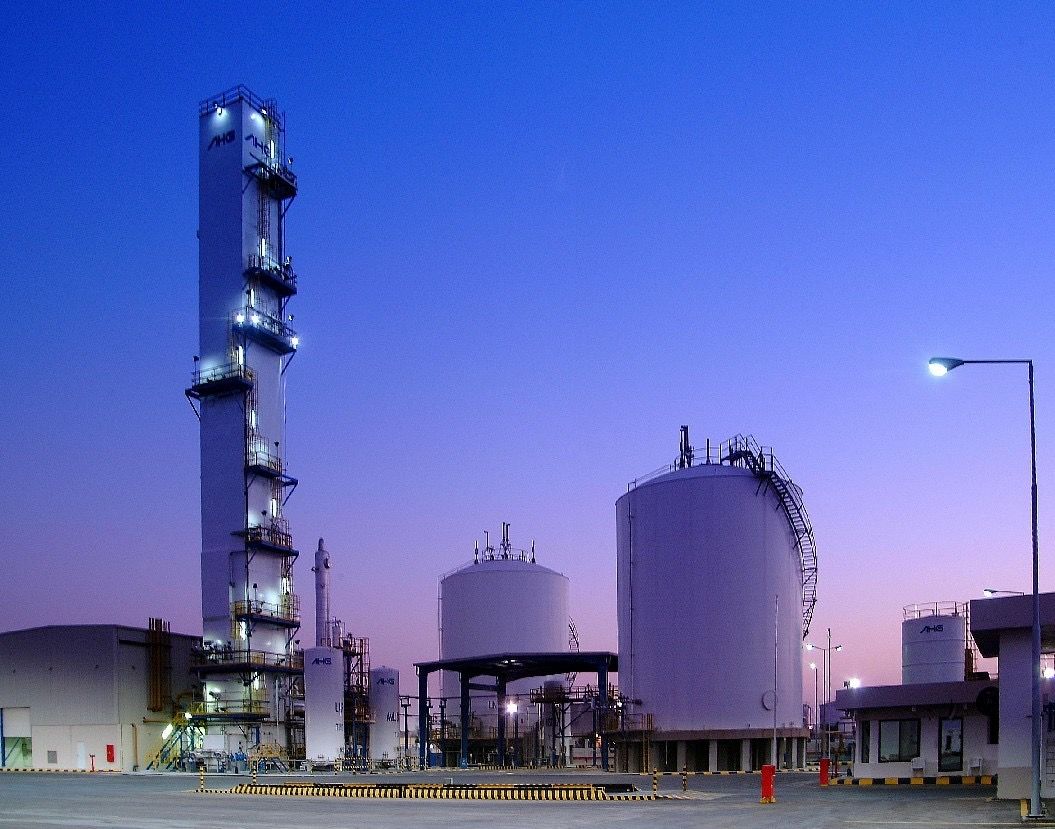
Chemicals, Petrochemical, & Mining
Industrial gases are essential in the chemicals, petrochemicals, and mining industries, enabling safer, more efficient, and environmentally friendly operations. Oxygen is vital for oxidation processes and smelting, while nitrogen ensures inert environments for chemical production and storage. Hydrogen plays a key role in refining and hydrocracking, and carbon dioxide is used in enhanced oil recovery and mineral extraction. These gases support innovation, optimize resource utilization, and contribute to sustainable practices across these critical sectors. Learn More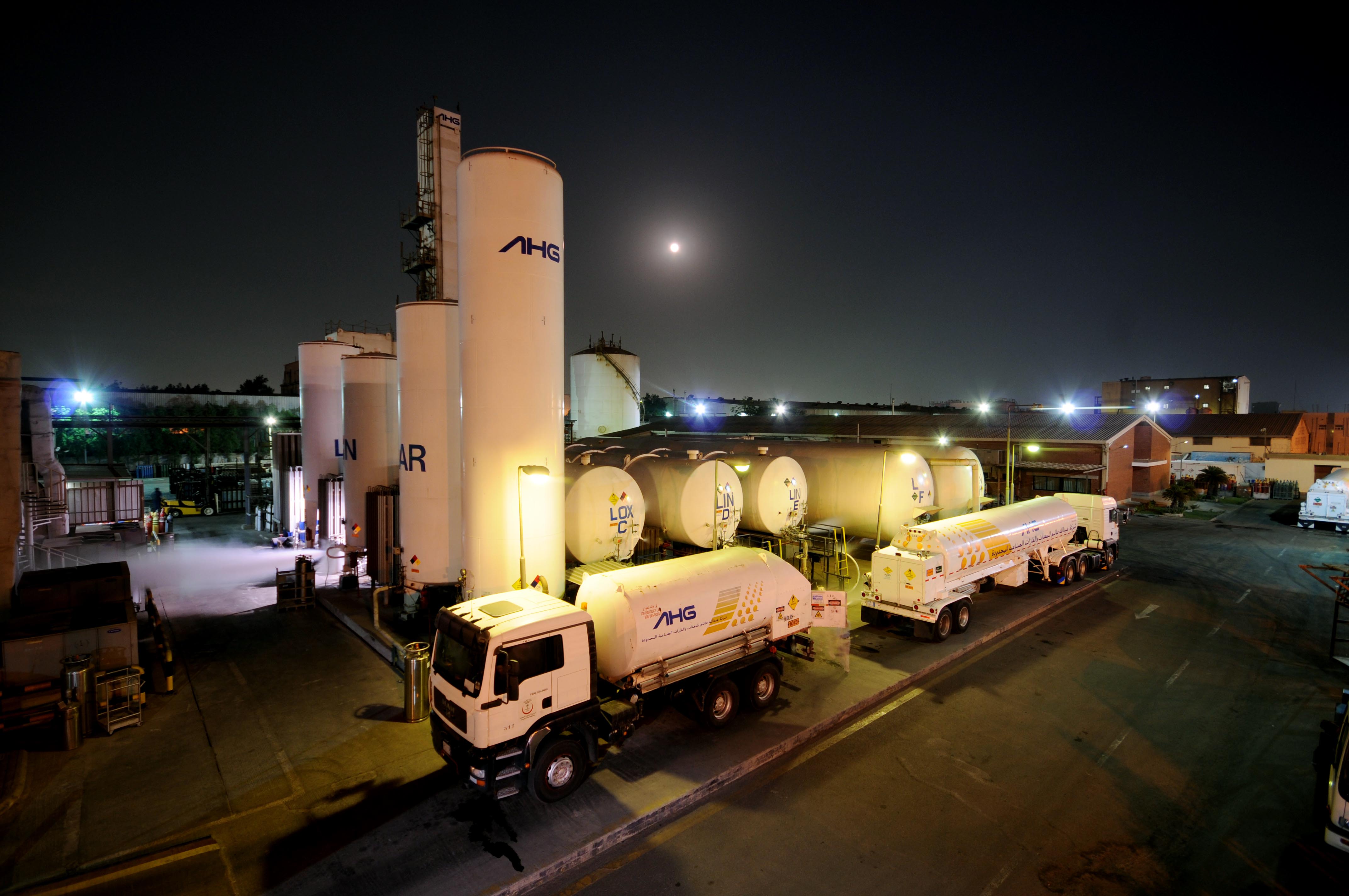
Refining & Processing
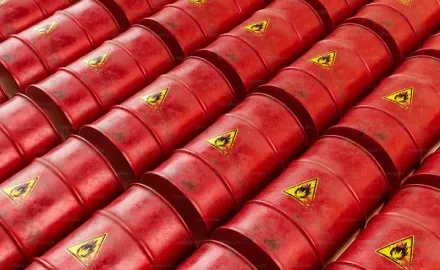
Oxy-fuel combustion is a process where pure oxygen (O₂) is used instead of air to enhance the combustion of fuels in refineries, chemical plants, and industrial furnaces. This method significantly improves combustion efficiency, increases thermal output, and reduces energy consumption by eliminating the nitrogen ballast present in air, which normally dilutes the flame and absorbs heat. learn more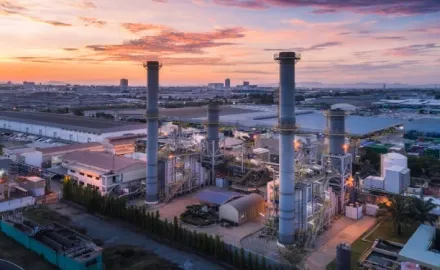
Safety Enhancement
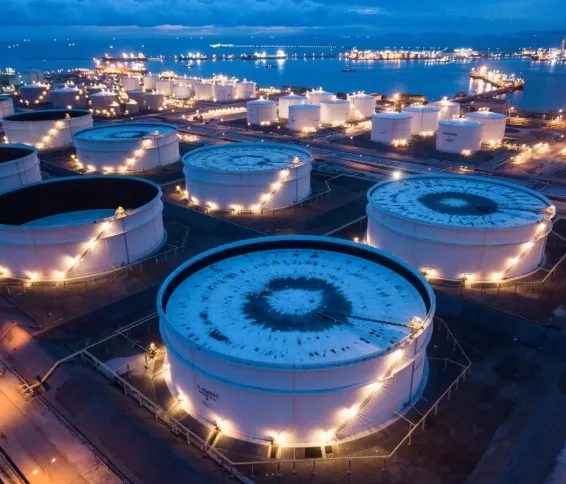
Tank blanketing and inerting are essential safety and preservation techniques used in refineries and chemical storage facilities to prevent combustion, oxidation, and contamination in tanks holding flammable chemicals, fuels, and volatile organic compounds (VOCs). These processes involve introducing an inert gas, typically nitrogen (N₂), into storage tanks to replace oxygen and moisture, ensuring a controlled, stable environment for sensitive substances. learn moreConstruction & Manufacturing
Construction & Manufacturing
Industrial gases are fundamental to the construction and manufacturing industries, enabling precision, efficiency, and innovation. Oxygen and acetylene fuel cutting and welding processes, while nitrogen and argon enhance metal fabrication and material preservation. From concrete curing with carbon dioxide to advanced additive manufacturing using specialized gases, these solutions empower industries to build stronger, more sustainable structures and deliver high-quality products that shape the modern world. Learn More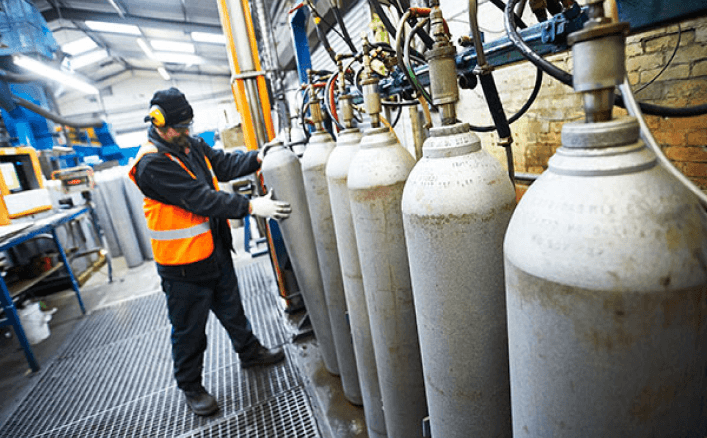
Manufacturing Enhancement
The industrial gas business plays a crucial role in modern manufacturing, supporting production efficiency, quality control, and process optimization across various industries. Industrial gases such as oxygen (O₂), nitrogen (N₂), hydrogen (H₂), carbon dioxide (CO₂), argon (Ar), and helium (He) are essential in chemical processing, electronics, food production, pharmaceuticals, automotive assembly, and advanced manufacturing techniques. Learn More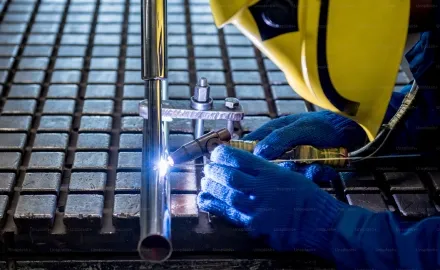
Welding & Metal Fabrication
Transform your metal fabrication projects with AHG's comprehensive range of specialized and industry-standard gases. Our gases are available in various cylinder sizes to cater to your specific needs. In addition, AHG's Welding division offers a wide range of top-quality metal fabrication equipment to support your operations. AHG’s Welding Division also supplies equipment and services in welding equipment, consumables, and PPE that are critical to the construction and metal fabrication industries. Learn More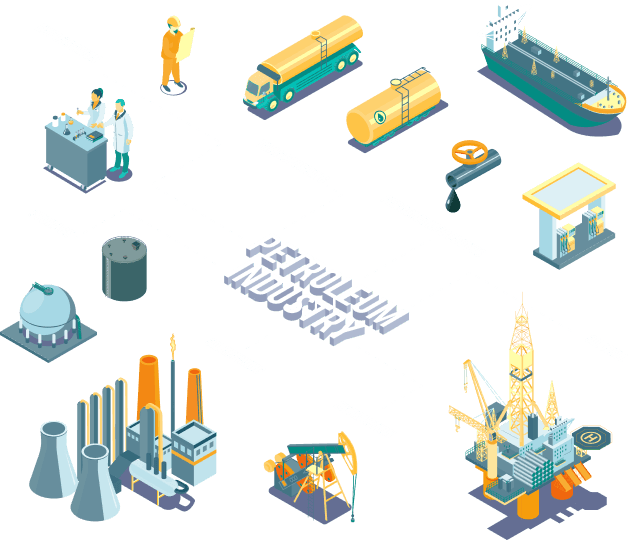
Inerting. Purging & Cooling
Inerting, purging, and cooling are key industrial gas applications enhancing safety and efficiency. Inerting replaces oxygen with inert gases like nitrogen or argon to prevent combustion or oxidation in sensitive processes. Purging removes contaminants or unwanted gases from pipelines and equipment, ensuring purity and safety. Cooling uses cryogenic gases, such as liquid nitrogen, for rapid temperature reduction in food preservation, electronics, and metal processing, improving quality and efficiency. Learn More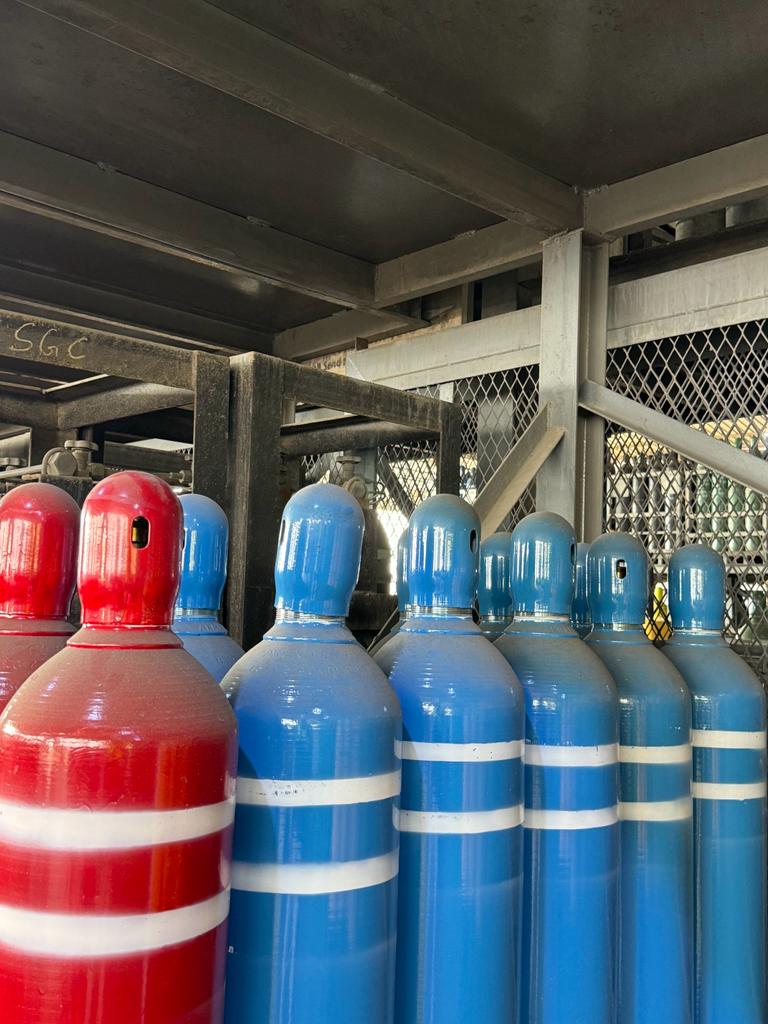
Air Conditioning & Refrigeration
Refrigerants play a critical role in the construction and manufacturing industries, particularly in systems that require temperature control, such as air conditioning, refrigeration, and process cooling. In construction, refrigerants are essential for HVAC systems, which are key to maintaining indoor air quality and comfort in residential, commercial, and industrial buildings. Efficient refrigerants ensure reliable cooling and heating, contributing to energy-efficient building designs and sustainable construction practices. learn moreEducation, Technology, & Research
Education, Technology, & Research
Industrial gases are pivotal in driving advancements in education, technology, and research by enabling cutting-edge experimentation and innovation. From liquid nitrogen for cryogenic studies to specialty gases for semiconductor production and laser applications, these resources empower scientists, educators, and technologists to push boundaries. They facilitate groundbreaking discoveries, precision engineering, and the development of future technologies that transform industries and enrich learning experiences. Learn More
Advanced Applications
• Liquid helium is used in MRI technology, superconducting magnets, and quantum computing research. AHG is proud to have the only level 5 certified helium service center in the Kingdom of Saudi Arabia. • Specialty gas mixtures are used to calibrate gas analyzers, environmental sensors, and industrial detectors. Learn more
Scientific & Medical Research
Industrial gases play a fundamental role in scientific and medical research. Oxygen is used in bioreactors for cell growth and pharmaceutical research, while nitrogen and carbon dioxide assist in freezing biological materials. Oxygen also supports combustion experiments and oxidation studies in laboratories. In environmental sciences, gases are used to monitor air quality and study climate patterns, while nitrogen is utilized in cleanrooms and semiconductor manufacturing to prevent oxidation. Inert gases contribute to 3D printing research and metallurgical studies, ensuring material precision and preventing contamination. Learn More
Teaching & Demonstrations
Liquid Nitrogen is used in physics and chemistry demonstrations, such as superconductivity experiments and material strength testing at ultra-low temperatures. Learn moreEnvironmental Protection
Environmental Protection
Industrial gases are instrumental in environmental protection efforts, enabling technologies that reduce emissions, conserve resources, and mitigate climate change. Carbon dioxide is captured and utilized for carbon sequestration, while oxygen is essential for efficient wastewater treatment and air purification. Additionally, industrial gases like nitrogen and hydrogen power cleaner energy solutions and sustainable industrial processes, paving the way for a greener, healthier planet. Learn More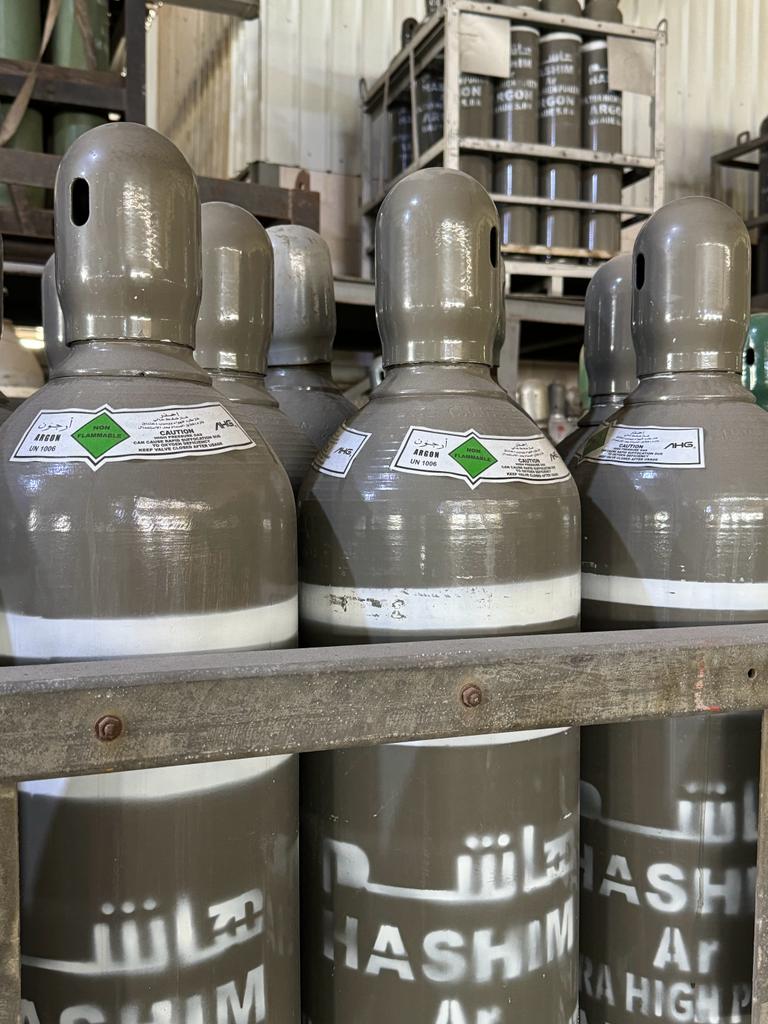
Carbon Capture & Utilization
Carbon Capture (CC) is a process that captures carbon dioxide (CO₂) emissions from power plants, industrial facilities, and even directly from the air, preventing it from entering the atmosphere. This is achieved through post-combustion, pre-combustion, and oxy-fuel combustion methods, where CO₂ is separated and repurposed for useful applications (Carbon Capture & Utilization - CCU). learn more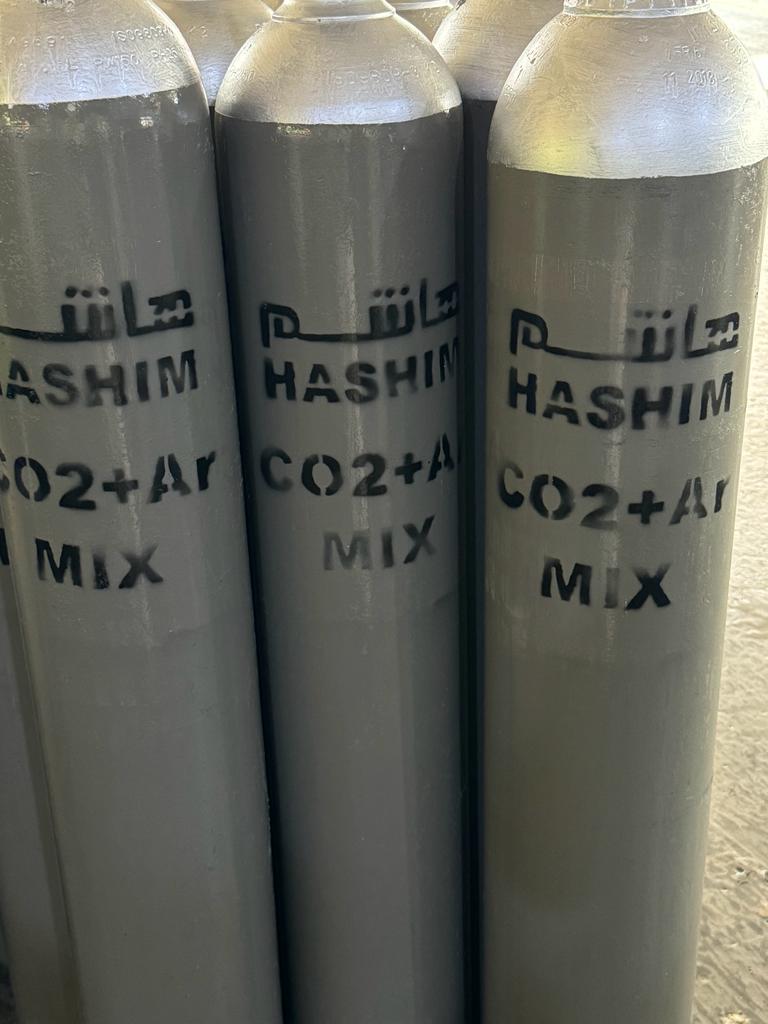
ADAHI Rapid Freezing Project
AHG’s social responsibility initiative supports the Adahi Project in Mekka during Hajj by leveraging its in-house freezing technology. This non-profit effort, at no cost, uses dry ice freezing to rapidly cool sacrificial lambs (Udhiya) from over 35˚C to below -20˚C within 45 minutes. The process ensures hygienic, safe, and efficient packaging and distribution, enhancing food preservation and supporting a crucial humanitarian cause. learn moreFood & Beverage
Food & Beverage
Industrial gases play a crucial role in the food and beverage industry by ensuring product quality, extending shelf life, and enhancing production efficiency. Gases like nitrogen and carbon dioxide are used in modified atmosphere packaging to preserve freshness, while oxygen supports efficient fermentation in brewing and winemaking. From freezing with liquid nitrogen to carbonation in beverages, industrial gases empower producers to deliver safe, high-quality products to consumers worldwide. Learn More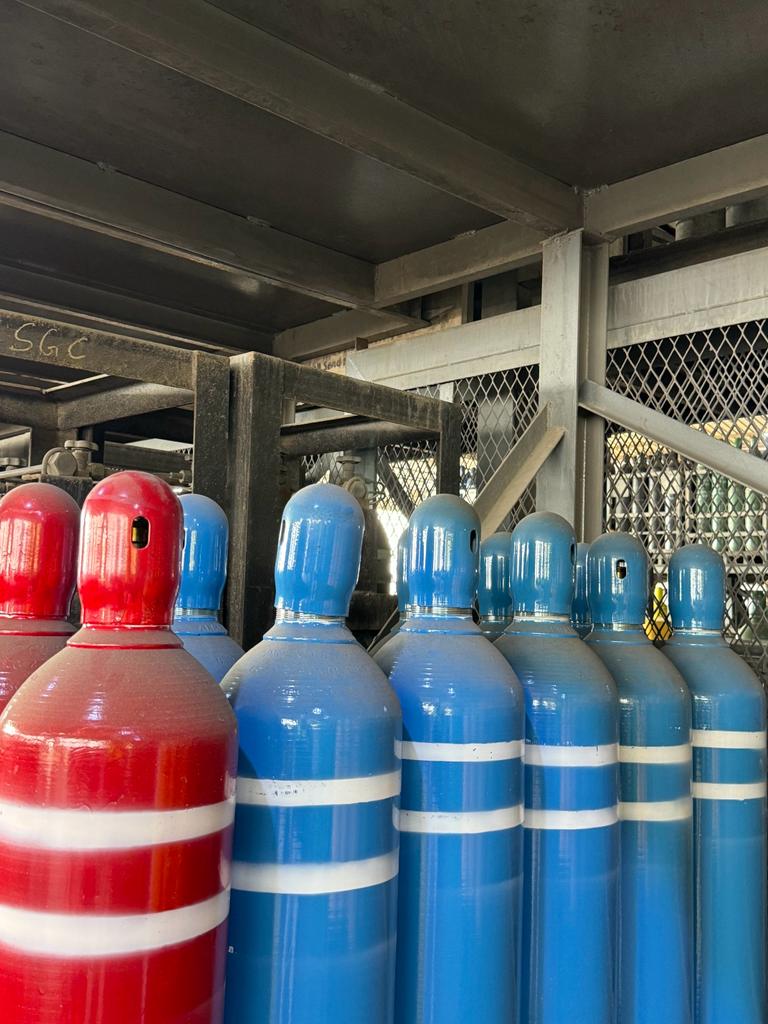
Carbonation, Preservation & Freezing
CO₂ is essential in carbonated beverages like soft drinks, beer, and sparkling water, creating fizz and enhancing taste while ensuring quality control. In food preservation, Modified Atmosphere Packaging (MAP) uses gas mixtures to extend the shelf life of meats, dairy, fruits, and baked goods by inhibiting bacterial growth. Food-grade gases also protect snacks from oxygen exposure, preventing staleness and maintaining freshness. learn more
Cryogenic Freezing & Chilling
Liquid nitrogen and liquid CO₂ are used for flash freezing meats, seafood, dairy, and baked goods, preserving texture and minimizing ice crystals. Solid CO₂ (dry ice) enables quick freezing with minimal water loss. Additionally, dry ice plays a crucial role in cold chain logistics, maintaining the integrity of temperature-sensitive food and medical goods during transport, ensuring quality and safety throughout the supply chain. learn more
Other Uses
CO₂ is used in coffee and tea decaffeination, preserving flavor while removing caffeine. Nitrogen enhances texture in dairy and bakery products like whipped cream and coffee foams. Oxygen supports fermentation in brewing, winemaking, and vinegar production by aiding yeast and bacteria. Controlled oxygen levels in storage chambers regulate fruit ripening for bananas, avocados, and tomatoes, ensuring optimal freshness and shelf life. learn moreGlass & Metals
Glass & Metals
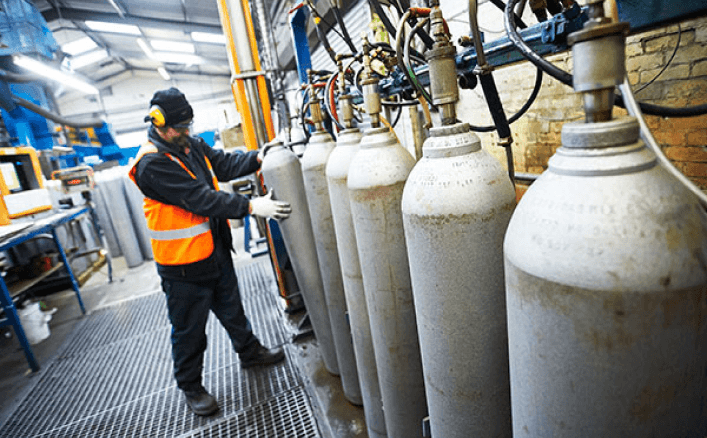
Industrial gases play a vital role in the glass and metals industries, enhancing efficiency and quality. Oxygen boosts combustion for glass melting and metal cutting, while argon ensures precision in welding. Hydrogen aids annealing and impurity reduction, while nitrogen and CO₂ improve cooling and finishing. These gases enable manufacturers to create durable, high-performance materials, driving industrial and technological advancements. Learn MoreMedical, Pharmaceutical & Laboratories

Medical, Pharmaceutical & Laboratories
Industrial gases are indispensable in the medical, pharmaceutical, and laboratory sectors, supporting life-saving treatments, precision research, and advanced drug development. Oxygen is essential for respiratory therapies and surgical procedures, while nitrogen and carbon dioxide aid in cryopreservation and sterilization. Specialty gases ensure accuracy in laboratory diagnostics and pharmaceutical manufacturing, driving breakthroughs that enhance patient care and global health outcomes. Learn more
General Uses
Oxygen is essential in hospitals for patients with respiratory conditions and is used in ventilators, anesthesia machines, and hyperbaric oxygen therapy. Low CO₂ levels aid pulmonary function studies, while Heliox helps asthma and COPD patients by reducing airway resistance. Nitrous oxide provides anesthesia for surgeries, and CO₂ is used in laparoscopy, endoscopy, and cryotherapy for minimally invasive procedures. learn more
Cryopreservation
Liquid nitrogen (LN₂) is used to biological material at ultra-low temperatures, this is Essential for tissue engineering, fertility treatments, and regenerative medicine. learn more
Dry Ice for Medical Transportation & Storage
Dry ice (-78.5°C) is vital for transporting temperature-sensitive medical supplies such as vaccines, blood, organs, and pharmaceuticals. It provides a reliable, non-mechanical cooling solution in cold chain logistics, ensuring stable, ultra-low temperatures. Unlike traditional ice, it sublimates without leaving liquid residue, making it ideal for sterile environments. Its role in global healthcare supply chains ensures the safe and effective delivery of life-saving materials. learn more
MRI Cooling
MRI machines use superconducting magnets for high-precision imaging, requiring extreme cooling to maintain superconductivity. Liquid helium (-269°C) is the primary cooling agent, preventing overheating, reducing electrical resistance, and ensuring stable performance. By keeping magnets at cryogenic temperatures, helium enhances image accuracy and reliability. This vital process enables high-quality scans for disease detection and medical treatments. learn moreOil & Gas
Oil & Gas
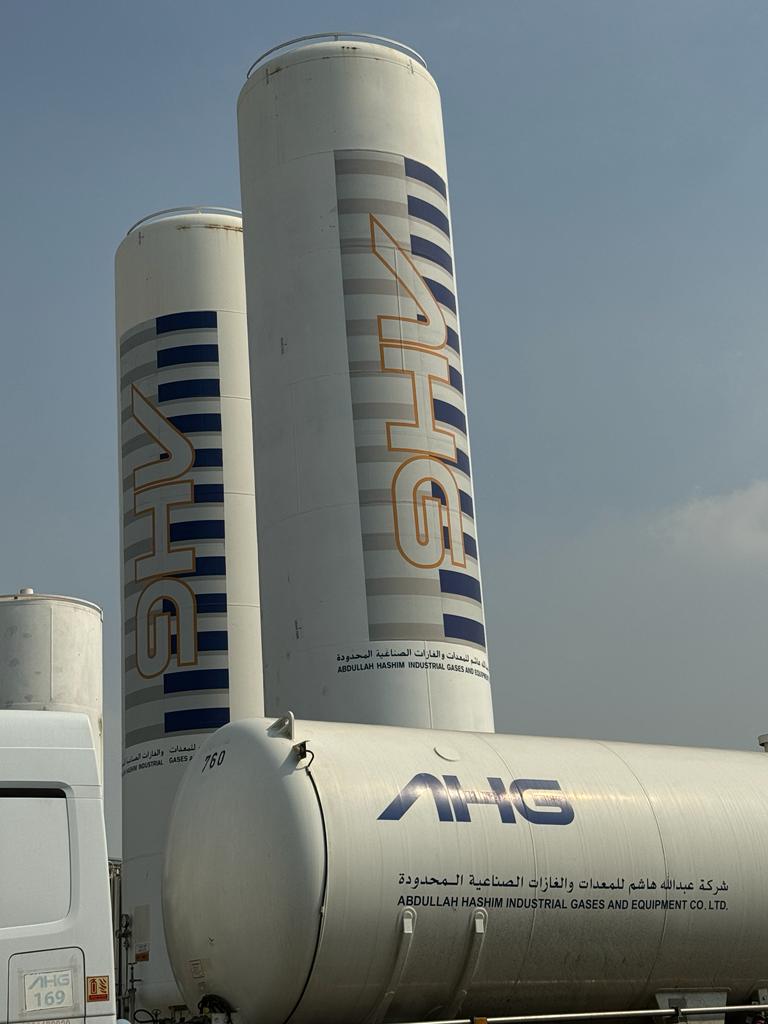
Industrial gases are pivotal in optimizing processes, enhancing safety, and driving sustainability in the oil and gas industry. Nitrogen is widely used for pipeline purging, pressure testing, and enhanced oil recovery, while oxygen boosts combustion efficiency in refining processes. Hydrogen plays a critical role in desulfurization and refining, supporting cleaner fuel production. From exploration to refining, industrial gases enable innovation and efficiency, shaping the future of the energy sector. Learn More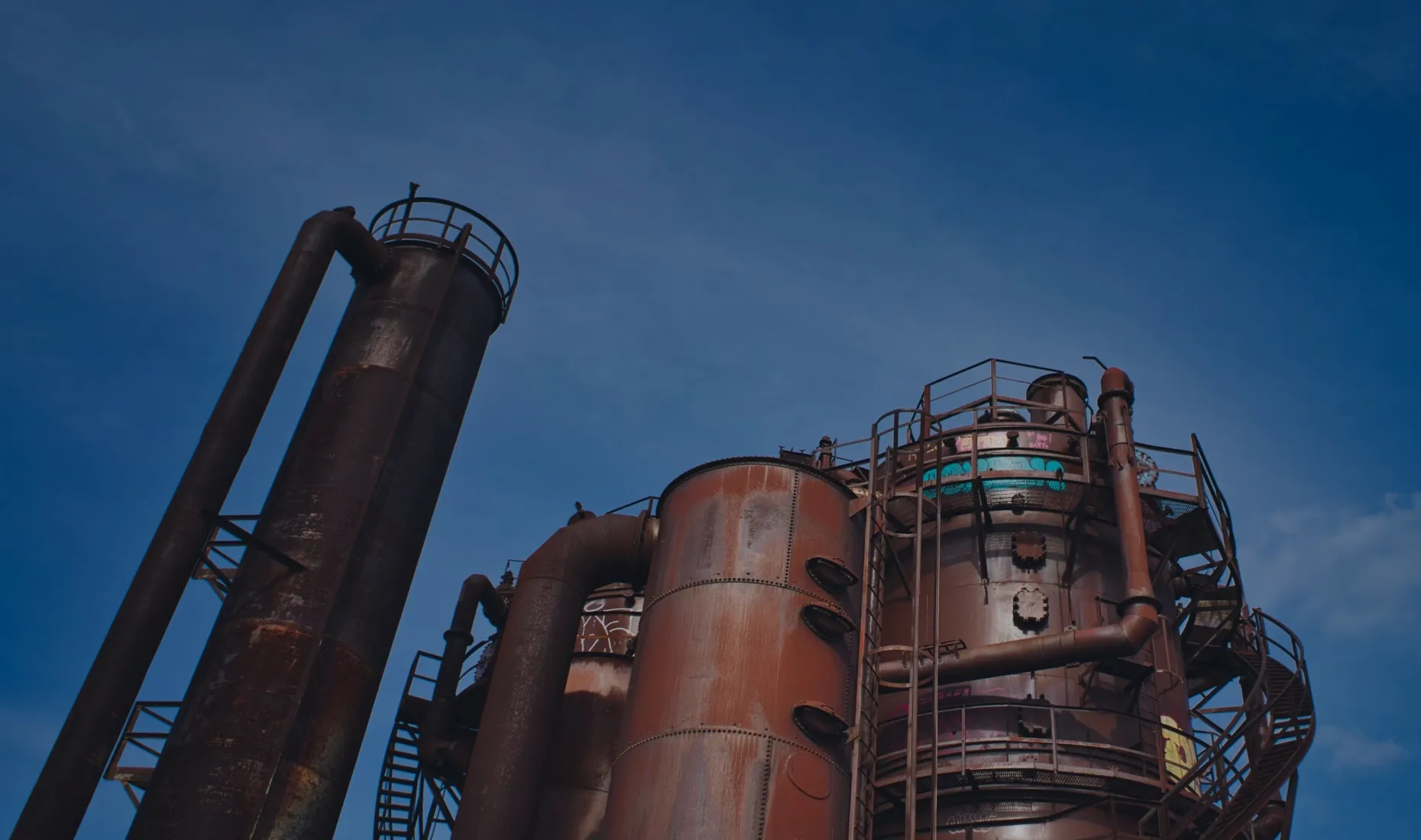
Enhanced Oil Recovery (EOR)
Enhanced Oil Recovery (EOR) is an advanced petroleum extraction technique that involves injecting industrial gases like carbon dioxide (CO₂), nitrogen (N₂), or hydrogen (H₂) into depleted or mature oil wells to increase crude oil recovery. By using EOR, oil fields can extract 30–60% more oil from reservoirs that conventional drilling and primary recovery methods cannot reach. learn more
Refining Crude Oil
Crude oil refining is a complex industrial process that converts raw petroleum into usable fuels and chemical products, including gasoline, diesel, jet fuel, lubricants, and petrochemicals. Industrial gases play a vital role in refining by enhancing fuel processing, improving efficiency, reducing emissions, and ensuring safe operations. The primary industrial gases used in oil refineries include hydrogen (H₂), oxygen (O₂), nitrogen (N₂), carbon dioxide (CO₂), and helium (He). learn more
Offshore Operations
Offshore operations, including oil and gas extraction, deep-sea exploration, and marine engineering, depend on industrial gases for safety, efficiency, and sustainability. These gases support drilling, well stimulation, subsea welding, and equipment preservation in extreme offshore conditions. AHG is your trusted supplier, providing high-quality gas mixtures for diving and welding, ensuring reliability and compliance with the highest safety standards. learn moreRecreational
Recreational
Industrial gases contribute significantly to recreational activities by ensuring safety, performance, and innovation. Oxygen supports scuba diving and high-altitude adventures, while carbon dioxide powers paintball markers and carbonates beverages for entertainment venues. Helium brings joy to events with balloons and is essential for advanced recreational equipment like weather balloons and airships. These gases enhance leisure experiences, blending fun with cutting-edge technology and reliability. Learn More
Dry Ice
Enhance any occasion with dry ice! Power Outages: Keep food and medication frozen during blackouts. Weddings: Create a dreamy fog effect on the dance floor. Outdoor Adventures: Keep coolers colder for longer. Smoke Effects: Add drama to events and performances. Food & Drinks: Elevate presentation with mesmerizing fog. Shipping: Keep frozen goods intact in transit. Education: Explore science with fun demonstrations. Discover the magic of dry ice today! learn more
Diving
SCUBA Diving Gas Mixtures SCUBA tanks contain specialized breathing gases for safe underwater exploration: Compressed Air (21% O₂, 78% N₂): Standard for recreational diving. Nitrox (32–40% O₂): Reduces nitrogen absorption for longer dives. Heliox (Helium + O₂, no N₂): Prevents nitrogen narcosis in deep dives. Trimix (Helium + O₂ + N₂): Used in technical diving to manage oxygen toxicity and narcosis. learn more
Aviation Sports
Hot Air Balloons Hot air balloons rely on industrial gases for lift and control. Propane (C₃H₈) fuels burners to heat the air, while helium (He) can be used in gas balloons for buoyancy and stability. High-Altitude Sports & Mountaineering In activities like skydiving, paragliding, and mountaineering, oxygen (O₂) tanks support breathing at high elevations. Climbers above 5,000 meters (16,400 feet) use portable oxygen to prevent altitude sickness and hypoxia. learn more
Cryotherapy
Cryotherapy, or cold therapy, is a popular treatment used in sports recovery, pain management, and wellness therapy. It involves exposing the body to extreme cold temperatures for short durations to stimulate healing, reduce inflammation, and enhance muscle recovery. Industrial gases such as liquid nitrogen (LN₂) and carbon dioxide (CO₂) are essential in whole-body cryotherapy.
Snow & Ice
Artificial ice rinks and snow parks rely on cryogenic industrial gases, particularly liquid carbon dioxide (CO₂) and liquid nitrogen (LN₂), for rapid freezing, surface maintenance, and temperature control. These gases play a critical role in ensuring consistent ice quality, durability, and safety for various winter sports and recreational activities, including ice skating, hockey, skiing, and snowboarding. learn more
Beverages
Soft Drinks & Sparkling Water: CO₂ is infused into beverages under pressure, creating carbonation for a crisp, refreshing taste. When opened, CO₂ escapes, forming bubbles that define sodas and sparkling water. Nitro-Infused Coffee & Tea: Nitrogen infusion gives coffee and tea a creamy texture and natural sweetness without added sugar. The fine bubbles create a smooth, rich mouthfeel and a cascading effect when poured. Preservation & Shelf-Life Extension CO₂ slows bacterial growth, extending beverage shelf life while reducing the need for artificial preservatives. Learn moreTransportation & Refrigeration
Transportation & Refrigeration
Industrial gases are crucial for advancing transportation and refrigeration by enhancing efficiency, sustainability, and performance. Hydrogen fuels clean energy vehicles, while nitrogen is used in tire inflation for improved durability and fuel efficiency. In refrigeration, carbon dioxide and ammonia are eco-friendly alternatives for cooling systems, ensuring food and pharmaceutical products remain fresh during transit. These gases empower industries to meet modern demands for reliability and environmental responsibility. Learn More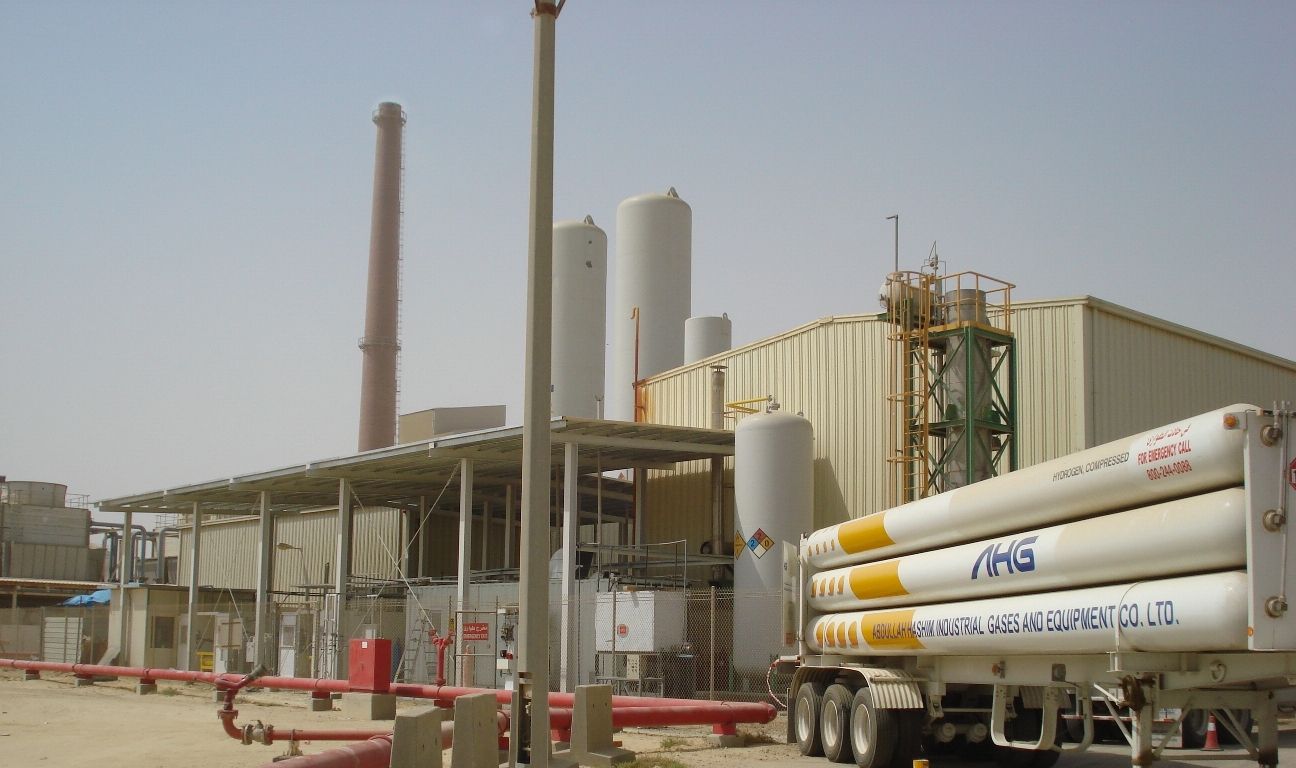
Hydrogen Mobility
Hydrogen is transforming transportation by providing a clean, efficient alternative to fossil fuels. As global carbon reduction efforts grow, hydrogen-powered fuel cells are emerging in long-haul trucking, rail transport, shipping, and aviation. Industrial hydrogen (H₂) reduces emissions, enhances energy security, and supports a hydrogen-based economy. Key applications include fuel cell vehicles, heavy-duty transport, maritime mobility, and fueling infrastructure, offering significant economic and environmental benefits. learn more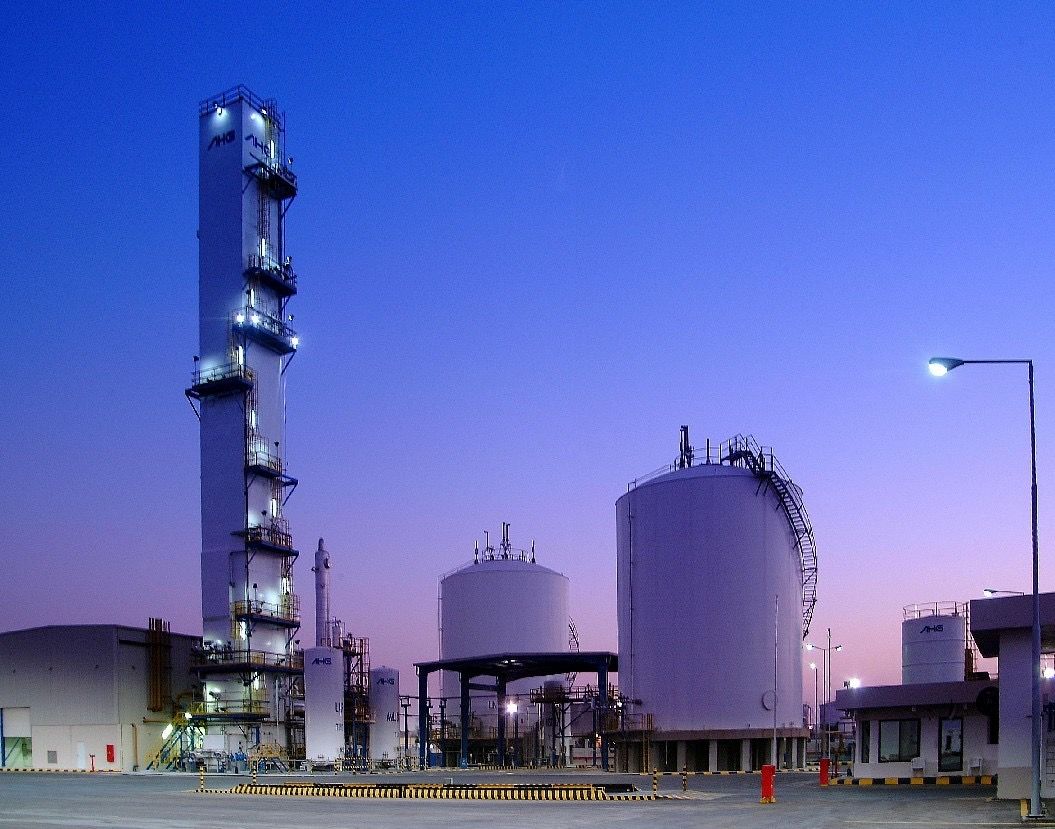
Cold Chain Logistics
The refrigeration and cold chain logistics industry relies heavily on industrial gases to ensure proper temperature control, product preservation, and efficient transportation of temperature-sensitive goods. Industrial gases such as liquid nitrogen (LN₂), carbon dioxide (CO₂), and ammonia (NH₃) play a crucial role in cryogenic freezing, refrigerated transport, and industrial refrigeration systems, making them essential for industries like food & beverage, pharmaceuticals, healthcare, and chemicals. learn moreWater & Energy
Water & Energy
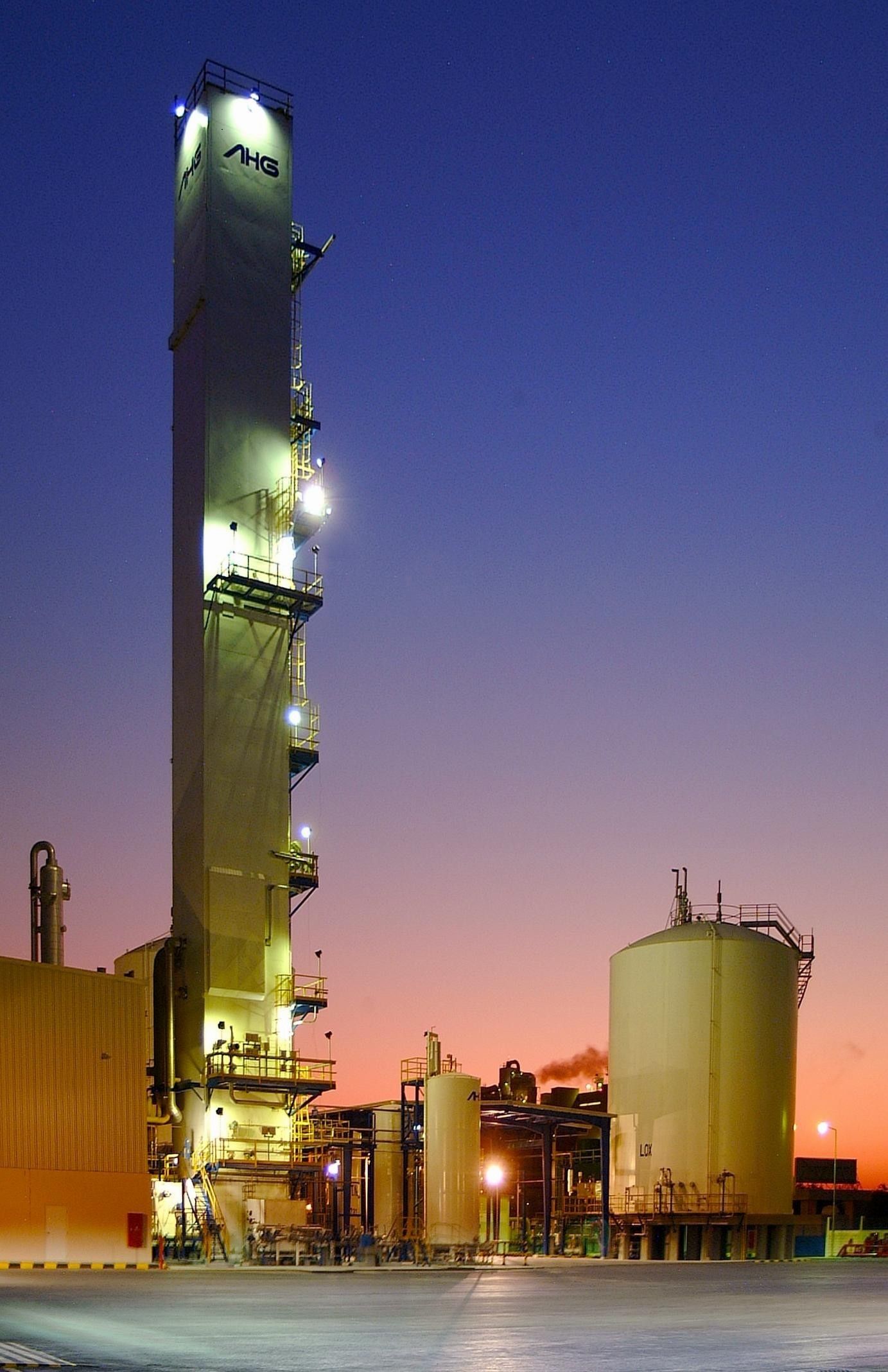
Industrial gases are key to advancing water treatment and energy production, promoting efficiency and environmental stewardship. Oxygen enhances wastewater treatment processes, while carbon dioxide is used for pH control in water systems. In the energy sector, hydrogen fuels clean energy solutions, and nitrogen is critical for safe energy storage and distribution. These gases enable innovative approaches to conserving resources, reducing emissions, and driving a more sustainable future. Learn More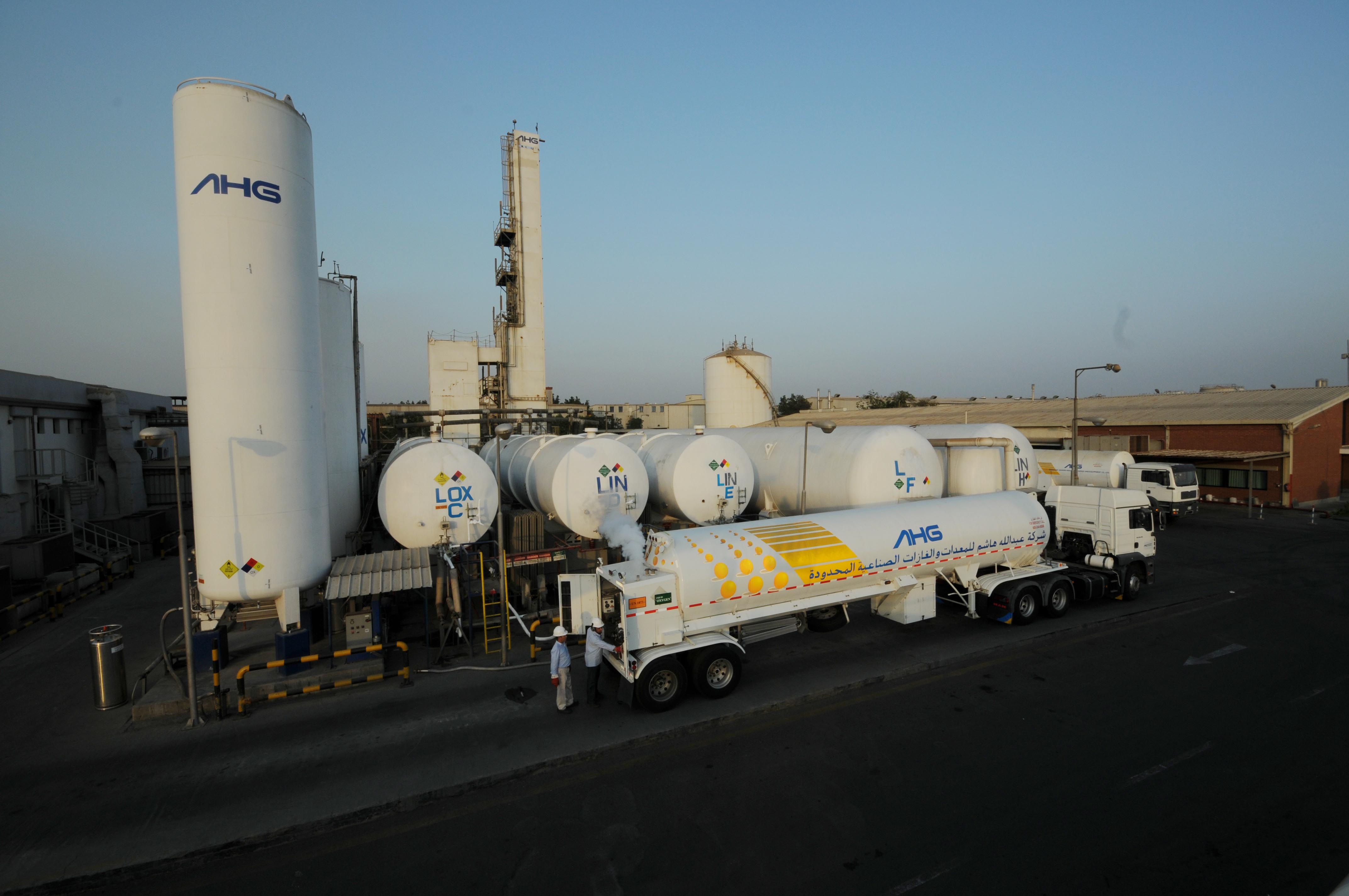
Water Treatment
The industrial gas business plays a critical role in water treatment and purification, ensuring safe and clean water for municipal, industrial, and environmental applications. Industrial gases such as oxygen (O₂), carbon dioxide (CO₂), nitrogen (N₂), ozone (O₃), and chlorine (Cl₂) are widely used in disinfection, pH control, aeration, and wastewater treatment to improve water quality, remove contaminants, and support sustainable water management practices. Learn More
Energy & Clean Energy
The industrial gas business is a key enabler in both traditional energy production and the transition to clean energy, supporting power generation, fuel efficiency, carbon reduction, and renewable energy technologies. Industrial gases such as hydrogen (H₂), oxygen (O₂), carbon dioxide (CO₂), nitrogen (N₂), and helium (He) are essential for improving energy efficiency, reducing emissions, and developing sustainable alternatives in fossil fuels, nuclear energy, hydrogen power, and renewable energy sources. Learn More